Solar Smart
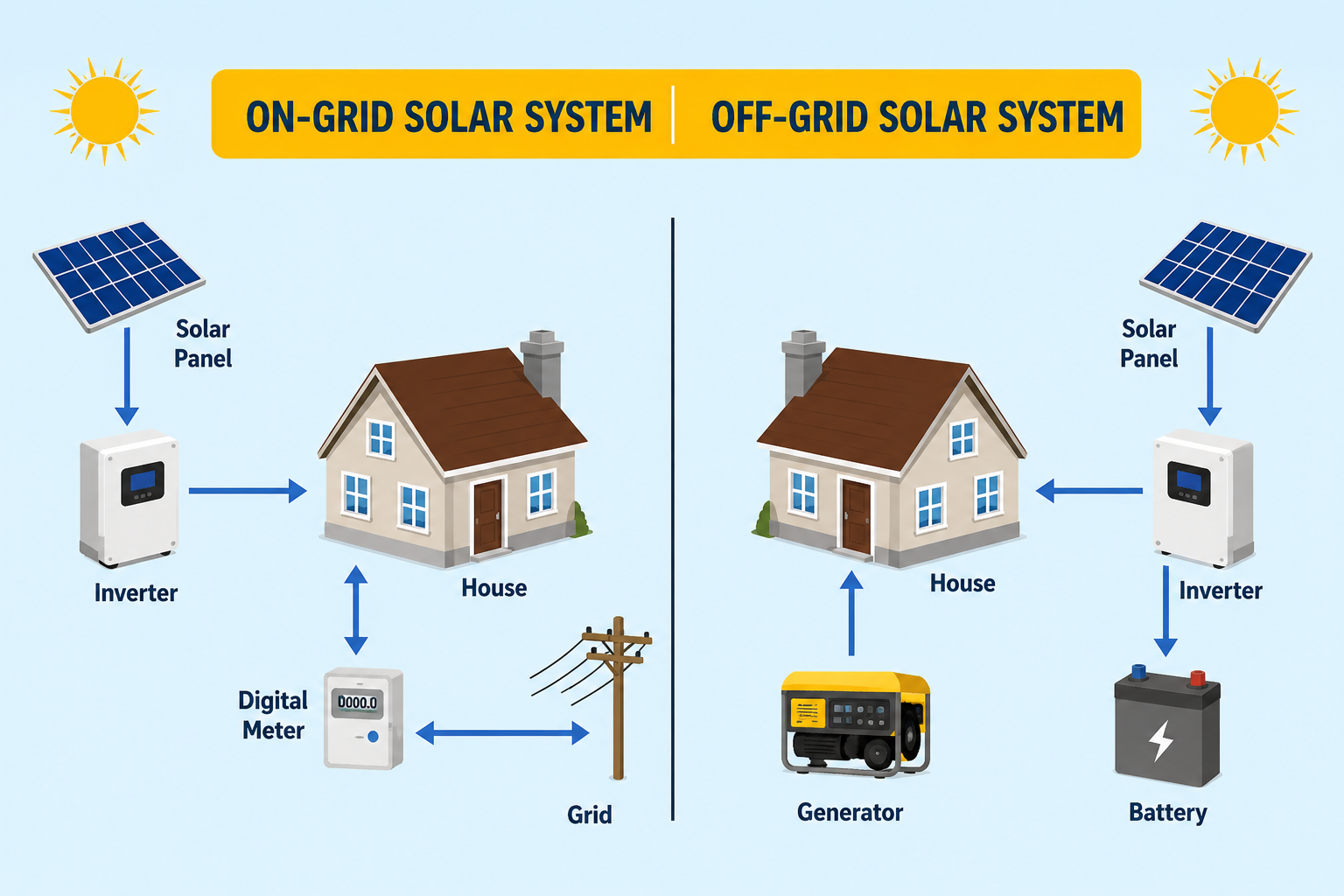
On-Grid vs Off-Grid Solar System comparison is important for homeowners planning rooftop solar installation in India. Rising electricity bills, increasing awareness about renewable energy, and government subsidy programs are encouraging more families to switch to solar energy.
Understanding the difference between these two systems is extremely important before making a long-term investment.
In this guide, we’ll explain:
- What Is an On-Grid Solar System?
- What Is an Off-Grid Solar System?
- Their advantages and disadvantages
- Cost and maintenance differences
- Which system is better for Indian homes
- Government subsidy eligibility
- Which option is ideal for cities like Ahmedabad, Nagpur, and Pune
What Is an On-Grid Solar System?
An on-grid solar system is connected directly to the government electricity grid.
This means:
- Your home uses electricity generated by solar panels during the day
- Extra electricity is sent back to the electricity grid
- You can use grid electricity when solar production is low
An on-grid solar system usually does not require batteries, making it more affordable and easier to maintain.
Advantages of On-Grid Solar
During sunlight hours:
- Solar panels generate electricity
- Your home uses solar power first
- Extra electricity is exported through net metering
At night:
- Your home uses electricity from the government grid
This system is very popular in urban residential areas across India.
Advantages of On-Grid Solar
1. Lower Installation Cost
Because batteries are not required, on-grid solar systems are generally cheaper than off-grid systems.
2. Lower Electricity Bills
Solar energy reduces dependency on grid electricity, helping homeowners save significantly on monthly bills.
3. Government Subsidy Benefits
On-grid rooftop solar systems are eligible for subsidy under schemes like:
PM Surya Ghar Muft Bijli Yojana
Eligible homeowners can receive subsidy benefits for residential solar installation.
4. Better Return on Investment
Since installation cost is lower and electricity savings are higher, on-grid systems often provide faster ROI.
5. Lower Maintenance
Without batteries, maintenance requirements are simpler and more affordable.
What is an Off-Grid Solar System?
An off-grid solar system works independently without relying on the government electricity grid.
This system includes:
- Solar panels
- Battery storage
- Inverter system
The battery stores electricity generated during the day for use at night or during power outages.
Off-grid systems are commonly used in:
- Remote areas
- Villages with unreliable electricity
- Locations with frequent power cuts
Advantages of Off-Grid Solar
1. Power Backup During Electricity Cuts
One of the biggest advantages of off-grid solar is uninterrupted electricity availability.
Even during grid failure, your home can continue using stored solar energy.
2. Energy Independence
Off-grid systems reduce dependency on electricity providers.
3. Useful for Remote Areas
In areas where grid electricity is unstable or unavailable, off-grid solar becomes highly useful.
Disadvantages of Off-Grid Solar System
1. Higher Installation Cost
Battery storage increases the overall system cost significantly.
2. Battery Maintenance
Batteries require maintenance and eventual replacement.
3. Limited Energy Storage
Battery backup depends on battery capacity and sunlight availability.
On-Grid vs Off-Grid Solar System: Key Differences
| Feature | On-Grid Solar | Off-Grid Solar |
|---|---|---|
| Grid Connection | Connected to grid | Independent |
| Battery Requirement | Not required | Required |
| Installation Cost | Lower | Higher |
| Maintenance | Lower | Higher |
| Electricity Backup | No backup during outage | Backup available |
| Government Subsidy | Available | Limited/depends |
| ROI | Faster | Slower |
| Best For | Urban homes | Remote areas |
On-Grid vs Off-Grid Solar Cost Comparison
For most Indian homeowners, especially in cities like:
- Ahmedabad
- Nagpur
- Pune
- Mumbai
- Surat
On-grid solar systems are usually the better option.
Why?
Because urban areas already have:
- stable electricity supply
- net metering support
- subsidy availability
This makes on-grid solar:
- more affordable
- more practical
- more efficient financially
However, if your area faces frequent power cuts, an off-grid or hybrid solar system may be more suitable.
What Is a Hybrid Solar System?
A hybrid solar system combines:
- grid connection
- battery backup
This allows homeowners to:
- use solar energy
- export extra electricity
- store power for outages
Hybrid systems are becoming increasingly popular in India.
Is On-Grid Solar Eligible for Government Subsidy?
Yes.
Residential on-grid rooftop solar systems are eligible under:
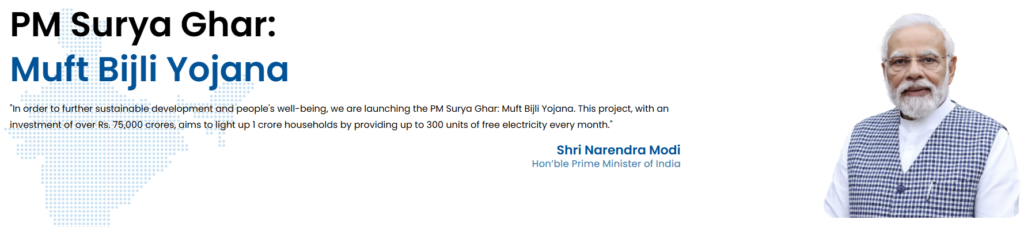
PM Surya Ghar Muft Bijli Yojana
Homeowners can receive subsidy benefits based on system capacity.
Benefits include:
- reduced installation cost
- faster payback period
- long-term electricity savings
Proper installation and documentation are important for successful subsidy approval.
Do Solar Panels Work During Monsoon?
Yes.
Solar panels continue generating electricity even during cloudy or rainy weather.
Although production may reduce slightly during monsoon season, professionally installed solar systems continue delivering long-term annual savings.
India receives sufficient yearly sunlight for rooftop solar to remain highly effective.
Is Solar a Good Investment in India?
Absolutely.
Solar is no longer only about environmental benefits.
It is becoming:
A smart long-term financial decision.
Benefits include:
- reduced electricity bills
- protection from rising energy costs
- cleaner energy
- increased property value
- 25+ years of long-term savings
Why Choosing the Right Solar Partner Matters
Installing solar panels is easy.
Installing them professionally is what truly matters.
A rooftop solar system is a:
25+ year investment.
Choosing the right solar company ensures:
- proper installation
- better performance
- safe rooftop structure
- reliable after-sales support
- smooth subsidy assistance
Trusted Rooftop Solar Solutions for Indian Homes
Solar Smart provides trusted rooftop solar installation services for homes and businesses.
With professional installation support, experienced teams, and reliable solar solutions, Solar Smart helps homeowners switch to smarter and cleaner energy.
Why Homeowners Choose Solar Smart
- Professional rooftop solar installation
- High-quality solar products
- Reliable support
- Government subsidy guidance
- Long-term savings
- Trusted solar solutions
Final Thoughts on On-Grid vs Off-Grid Solar
Choosing between an on-grid and off-grid solar system depends on:
- your location
- electricity usage
- budget
- backup requirements
For most urban Indian homes, on-grid solar systems provide the best balance of:
- affordability
- savings
- subsidy benefits
- long-term ROI
But no matter which system you choose, one thing remains true:
Solar Installation Is Easy… Choosing the Right Solar Partner Matters.
Because solar is not just an expense.
It is a 25+ year investment for your future.
Be Smart. Choose Solar Smart. ☀️
Frequently Asked Questions (FAQs)
Which solar system is best for home use in India?
For most urban homes, on-grid solar systems are the best option due to lower cost and subsidy benefits.
Does on-grid solar work during power cuts?
No. Standard on-grid systems shut down during grid outages for safety reasons.
Is battery required for rooftop solar?
Batteries are required only in off-grid or hybrid solar systems.
Which solar system is cheaper?
On-grid solar systems are generally cheaper because they do not require batteries.
Can I run AC on solar panels?
Yes. Properly designed rooftop solar systems can easily support air conditioners and household appliances.